The Hazards of Ammonia in Fertiliser Production
Ammonia (NH₃) plays a pivotal role in fertiliser production, particularly in creating ammonium nitrate through the Haber-Oswald process. However, its toxic and combustible nature poses significant risks to employees, equipment, and the surrounding environment. Understanding these hazards and implementing robust safety and detection solutions is crucial for maintaining a secure and efficient fertiliser production facility.
The Dangers of Ammonia in Fertiliser Facilities
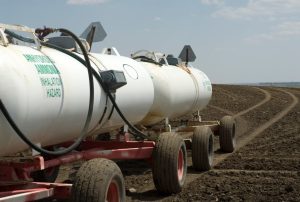
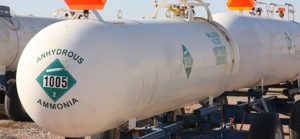
Ammonia is a colourless gas with a sharp, pungent odour. In fertiliser production, anhydrous ammonia is stored in pressurised or refrigerated tanks, making it prone to accidental leaks. These leaks can result in:
- Health Risks: Ammonia exposure irritates the eyes, nose, and throat, and prolonged contact can cause severe respiratory problems, skin burns, or frostbite in liquid form. High concentrations may be life-threatening, underscoring the need for strict safety measures.
- Environmental Impact: Ammonia gas clouds can travel beyond facility boundaries, affecting nearby communities and ecosystems. If mixed with water vapour, these clouds often stay closer to the ground, creating heightened risks inside and around the plant.
- Explosivity: Although ammonia is not highly flammable, its pressurised state makes it explosive under high heat. Its lower explosive limit (15%) and upper explosive limit (28%) require stringent monitoring to prevent catastrophic incidents.
- Equipment Damage: The corrosive properties of ammonia can degrade pipelines, storage tanks, and valves, leading to operational inefficiencies and higher maintenance costs.
Advanced Detection Technologies for Ammonia Hazards
To mitigate these risks, fertiliser production facilities must prioritise advanced gas detection systems. PSA Africa offers cutting-edge solutions to ensure employee safety, regulatory compliance, and efficient plant operations.
Senscient ELDS™ Open Path Gas Detector
The Senscient ELDS™ detector is specifically designed for robust ammonia monitoring across fertiliser plants. Using enhanced laser diode spectroscopy, this detector analyses ammonia’s unique harmonic fingerprint to provide fast and accurate leak detection.
Key Features:
- Works effectively in challenging environments, including fog, rain, or heavy dust.
- Eliminates false alarms by precisely identifying ammonia gas.
- Offers Bluetooth® integration for remote monitoring and diagnostics.
Applications: Ideal for perimeter monitoring, storage tanks, and areas with high equipment density. Its open-path technology covers wide areas with fewer units compared to traditional point detectors.
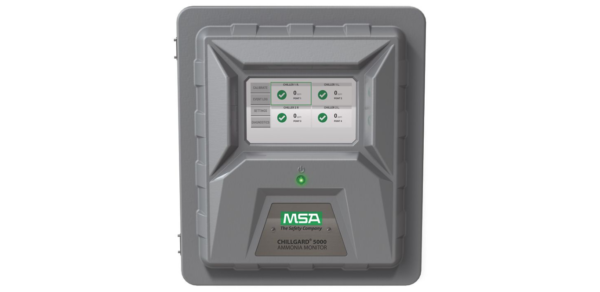
Chillgard® 5000 Ammonia Monitor
Designed for continuous ammonia monitoring, the Chillgard® 5000 provides real-time detection with minimal maintenance needs
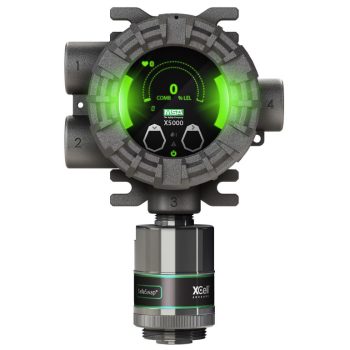
ULTIMA® X5000 Monitor
Engineered for continuous toxic gas monitoring in demanding fertilizer production environments, the Ultima X5000 delivers reliable ammonia detection that ensures uninterrupted protection during critical manufacturing processes where equipment corrosion and high-concentration exposure threaten both workers and plant operations
Key Features:
- TruCal technology extends calibration cycles up to 18 months while automatically self-checking four times daily to ensure accurate ammonia readings.
- SafeSwap enables sensor replacement without powering down, maintaining continuous monitoring during maintenance.
- Dual sensor capability provides comprehensive coverage with half the footprint, ideal for high-density equipment areas in fertilizer plants.
- Diffusion Supervision warns if sensor inlets become blocked by dust or residue common in production environments
- Bluetooth integration with X/S Connect App allows remote monitoring from safe distances during high-risk operations.
Applications: Ideal for ammonia storage areas, process monitoring zones, and equipment clusters in fertilizer production facilities requiring dependable, low-maintenance toxic gas detection with minimal operational disruption.
These detectors, combined with proper installation and maintenance, form the foundation of an effective ammonia safety strategy.
Personal Protective Equipment for Ammonia Safety
In addition to detection systems, appropriate PPE and respiratory protection are essential for worker safety.
Advantage Full Face Mask with K2P2 Canister for respiratory and eye protection during maintenance and leak response.
Tychem® 6000F Plus Chemical Protective Suit for high-risk or spill response scenarios.
AirXpress® 3 SCBA Set for emergency response and high-concentration environments
Spirit 2 Eyewear for extended work in areas with potential ammonia exposure.
Safety Practices to Complement Detection Systems
While detection technologies are essential, a holistic approach to ammonia safety includes additional measures:
Routine Inspections and Maintenance: Regular checks on pipelines, valves, and storage tanks help identify early signs of wear or corrosion, reducing the likelihood of leaks.
Employee Training: Workers must understand ammonia’s hazards, detection systems, and emergency protocols to respond effectively in case of leaks.
Emergency Response Plans: Clear evacuation routes, protective gear, and first-aid resources ensure quick and effective action during incidents.
Personal Protective Equipment (PPE): Equip staff with appropriate ammonia-resistant PPE, including respirators and chemical-resistant suits, to safeguard them during exposure.
Building a Safer Future in Fertiliser Production
Ammonia’s role in fertiliser production is indispensable, but its hazards require careful management. By implementing advanced detection technologies like the Senscient ELDS™ Open Path Detector and Chillgard® 5000 Ammonia Monitor, alongside robust safety protocols, fertiliser plants can ensure a secure and efficient operational environment.
Explore PSA Africa’s full range of leak detection systems to tailor a safety solution that fits your facility’s needs.
Linking Safety Across Industries
For more insights into ammonia safety, read our comprehensive guide on Ammonia Gas Leak Detection: Essential Safety Guide. It provides valuable information applicable across various industries using ammonia. Additionally, explore the ammonia detection solutions offered by PSA Africa to further enhance your safety practices.

Ammonia Risks in Fertiliser Production: Safety Solutions
Discover the hazards of ammonia gas leaks in refrigeration. Learn about advanced detection solutions and safety strategies to protect workers and ensure compliance.
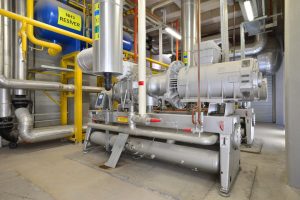
Managing Ammonia Gas Leaks in the Refrigeration Industry
Discover the hazards of ammonia gas leaks in refrigeration. Learn about advanced detection solutions and safety strategies to protect workers and ensure compliance.
Ammonia Gas Leak Detection: Essential Safety Guide
This whitepaper considers the different Confined Space Entry (CSE) challenges, highlighting features and characteristics that define best-in-class practices and solutions.